Welcome To
Center for Reproductive Health
Faculty of Medicine, Public Health, and Nursing
Universitas Gadjah Mada
Advancing Research and Innovation in Reproductive Health Through Science, Education, and Community Impact
Explore Programs →About Us
Center for Reproductive Health is an interdisciplinary research department whose research and learning are aimed at sexual and reproductive health, maternal and child health, and population change.

0
Publications
0
Collaborations
0
Programs
Latest News

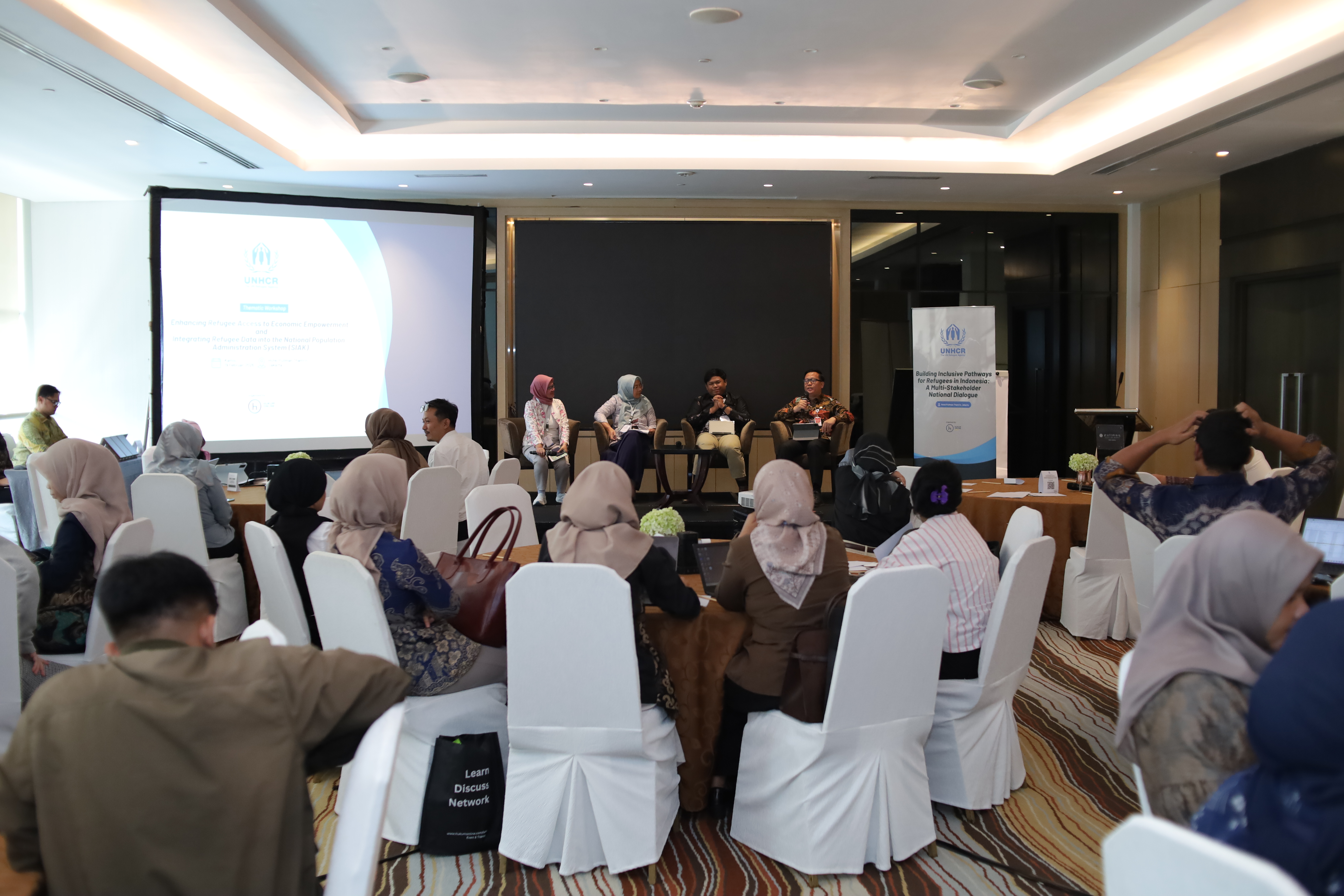
UGM Reproductive Health Center and UNHCR: Strengthening Refugee Access to Basic Services and Economic Empowerment
At a workshop entitled "Improving Refugee Access to Economic Empowerment Opportunities, and Integrating Refugee Data into the National Population Database (SIAK)," organized by the United Nations High Commissioner for Refugees (UNHCR) in...

AWaRe1 Socialization & Coordination: Optimizing Antibiotic Use in Primary Care
In recent years, antibiotic resistance has emerged as a pressing global concern. Inappropriate use of antibiotics in primary health care settings contributes significantly to this growing threat. To address the challenge, the global AWaRe1...

Collaborative curriculum development for cervical cancer patient education in Indonesia
Supported by the Australia Indonesia Institute, the Australia Indonesia Collaboration for Cervical Cancer Patient Education, AI-KPPKS (Australia Indonesia – Kolaborasi untuk Pendidikan Pasien Kanker Serviks) introduces a new methodology for...
Programs & Activities
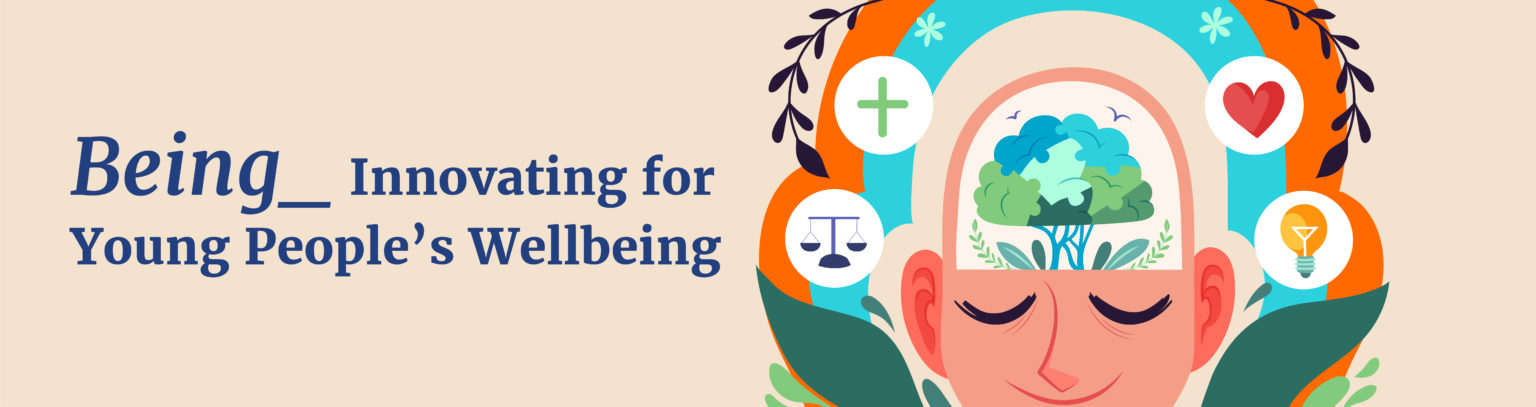
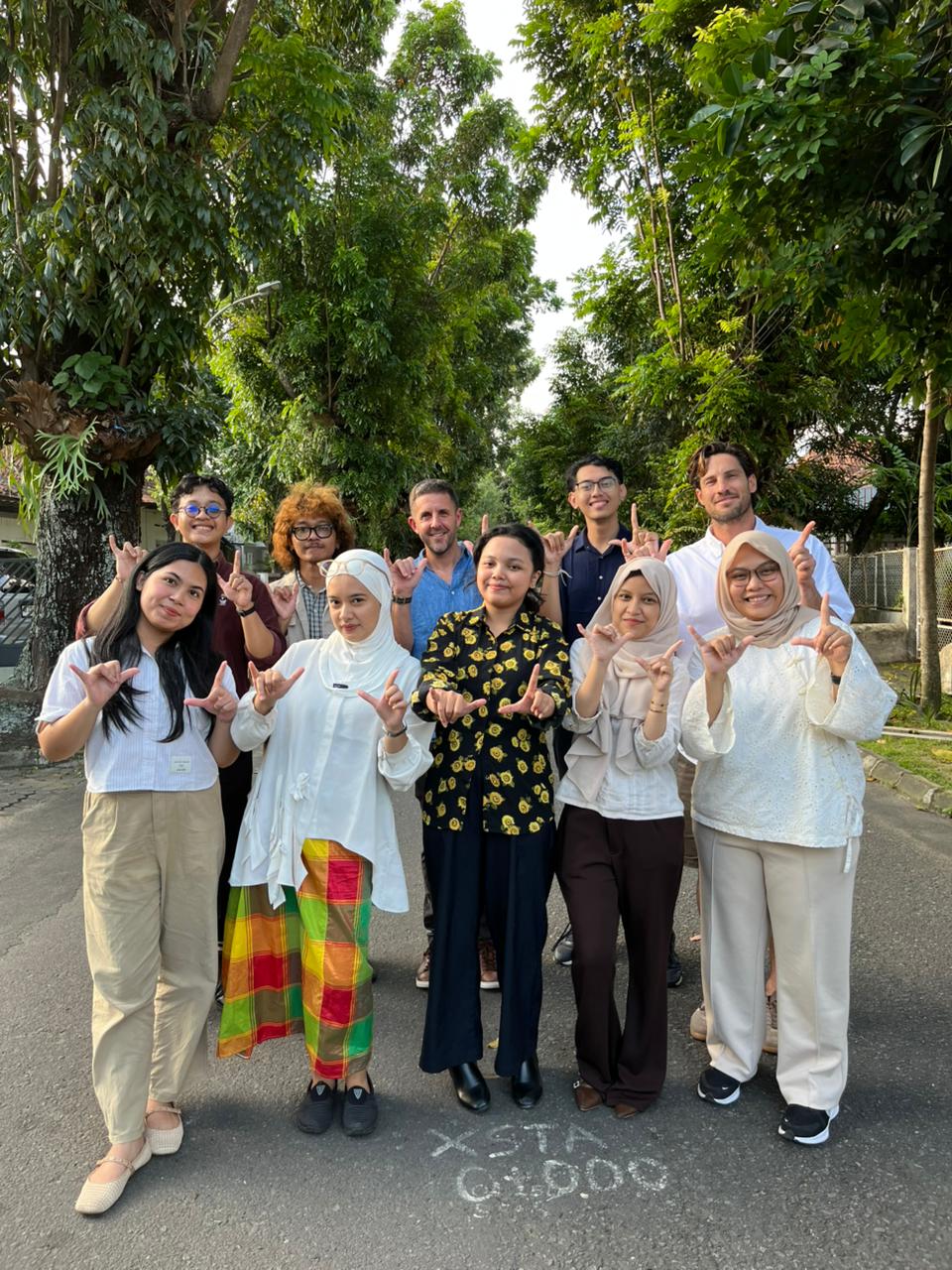
BEING: Youth Mental Health Collaborative Network
BEING, hosted by Grand Challenges Canada and led regionally by the Global Institute of Human Development (GIHD) at Shifa Tameer-e-Millat University, Pakistan, is building a collaborative network of researchers, youth advisors, and advocates to promote youth mental health through research, engagement, and partnership.
AWaRe1: Smarter Antibiotic Use, Stronger Communities
AWaRe1 is a global initiative led by St George’s University of London to promote responsible antibiotic use, guided by the WHO AWaRe framework (Access, Watch, Reserve). The program combines research, education, and collaboration to protect the future of antibiotics and strengthen community health.
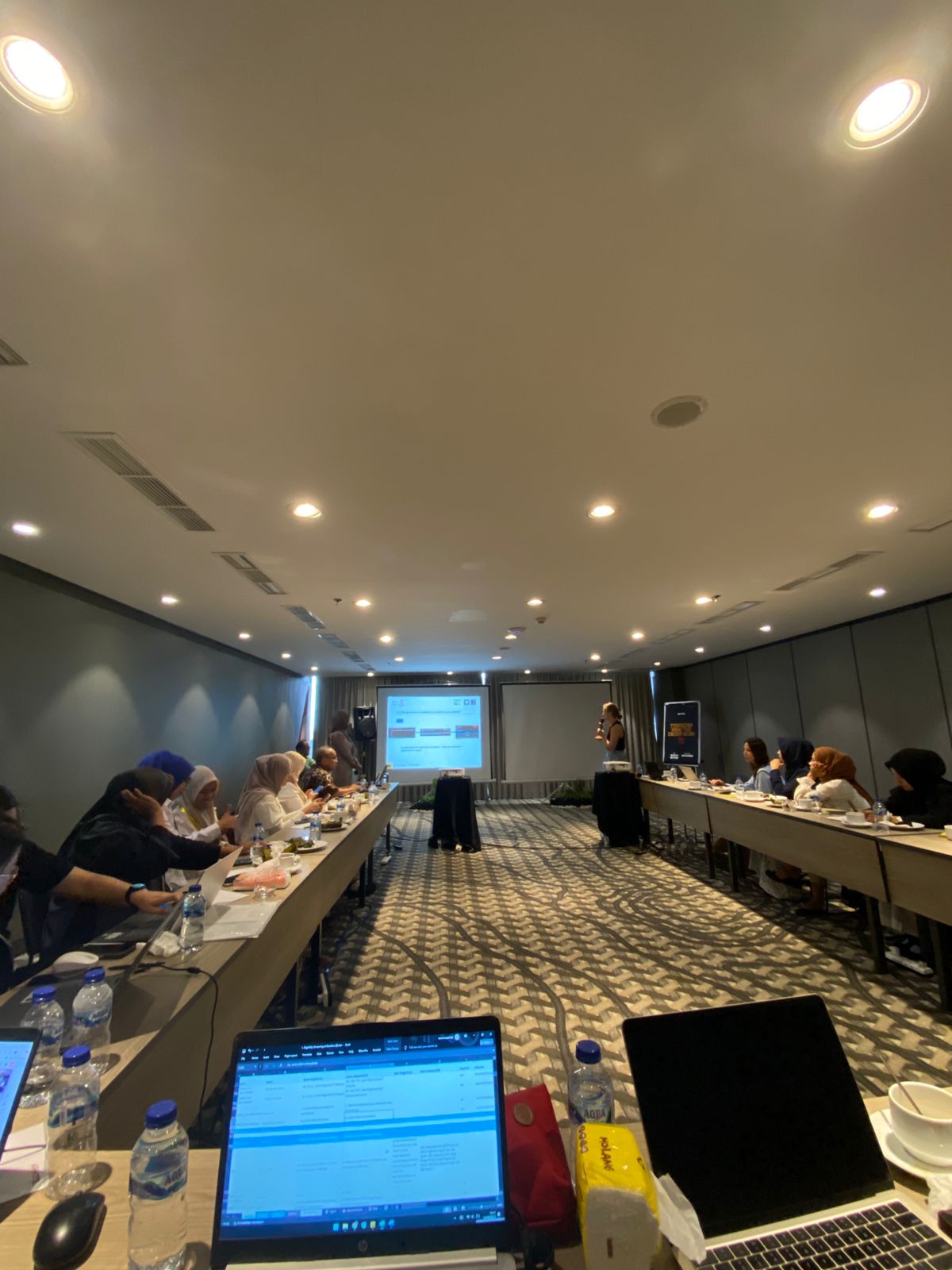
CRVS: Legal Identity, Protected Rights
Civil Registration and Vital Statistics (CRVS) is the official system that records life events such as births, deaths, marriages, and divorces. For refugees in Indonesia, CRVS is more than paperwork, it is the gateway to legal recognition, access to services, and protection of fundamental rights.
Adolescent Pregnancy Prevention in Indonesia: Youth-Led Contraceptive Innovation
Unintended pregnancy and unsafe abortion are among the most pressing health challenges facing young people in Indonesia. Despite growing awareness, access to safe and acceptable contraception tailored to adolescents remains limited. This initiative, led by Burnet Institute (Australia) in collaboration with Universitas Gadjah Mada (UGM), is building a foundation for sustainable change by engaging youth researchers to co-design contraceptive solutions that are evidence-based, scalable, and truly responsive to adolescent needs.
Our Partners
Collaborating with leading organizations worldwide
International Partners






National Partners